Azul Max Players: How to Play, Setup, Scoring, and Player Count Guide
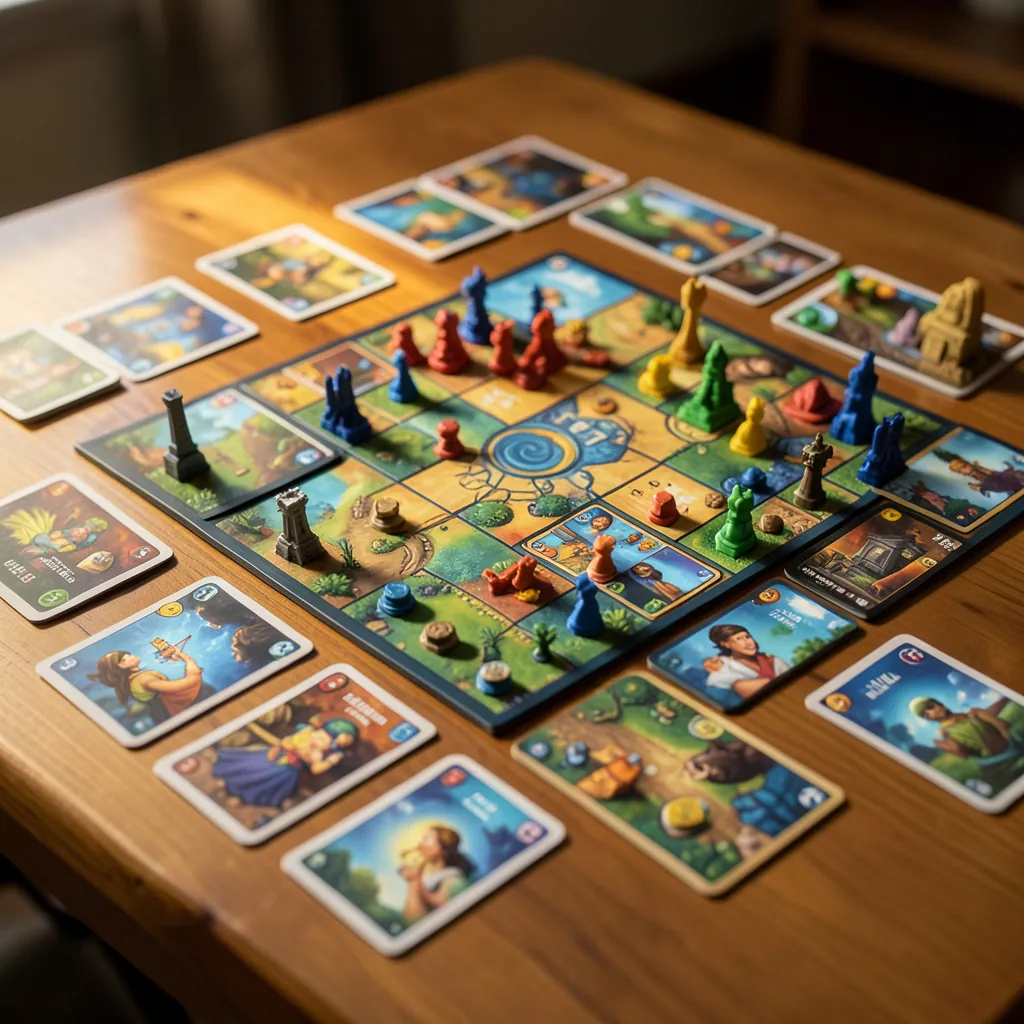
Azul Max Players: How to Play, Setup, Scoring, and Player Count Guide
Contents
🀄 Azul is a tactical tile-laying game for 2–4 players, so its maximum player count is 4 in the base game, Azul Mini, and Azul: Stained Glass of Sintra listings. Players draft tiles from factories, place them on their boards to build mosaics, and score for patterns and connected tiles while avoiding penalties. The player with the highest score wins.
Players: 2–4 (maximum 4)
Play Time: 30–45 minutes (some listings conflict; see table)
Age: 8+
Difficulty: Easy (sources describe simple/elegant rules and easy-to-learn play)
Type: Tile-laying strategy/family game
Setup
Which Azul versions and player counts are supported?
| Version / listing | Players | Max players | Age | Play time | Source-supported notes |
|---|---|---|---|---|---|
| Azul (base game) | 2–4 | 4 | 8+ | 30–45 min; French listing says 30–60 min | Tactical tile-laying game; Game of the Year 2018; listed components include 100 resin tiles, 4 player boards, 9 factory display boards, linen bag, scoring track board, 4 scoring markers, starting player token, rulebook |
| Azul Mini (Next Move) | 2–4 | 4 | 8+ | 30–45 min; one listing says max 30 min | Rules unchanged; compact player mats prevent tiles slipping; fabric bag for transport |
| Azul: Stained Glass of Sintra | 2–4 | 4 | 8+ | 30–45 min | Standalone Azul game; select glass panes to complete windows; double-sided player boards/window panels; tower for discarded glass panes |
| Azul Bundle | 2–4 | 4 | Not stated in bundle source | Not stated in bundle source | Bundle includes Azul, Azul: Summer Pavilion, and Azul: Stained Glass of Sintra; bundle FAQ says 2–4 players |
Across the supplied Azul listings, the maximum player count is 4. No supplied source supports 5+ players.
Setup steps
- Confirm your player count is 2–4. Choose the edition you are playing: base Azul, Azul Mini, Azul: Stained Glass of Sintra, or a bundle.
- For base Azul, use the listed components: 100 resin tiles, 4 player boards, 9 factory display boards, linen bag, scoring track board, 4 scoring markers, starting player token, and rulebook.
- Set out the central factory/market area and scoring track where all players can reach them. The supplied retailer sources do not give exact factory tile-draw counts, so follow the included rulebook for exact setup numbers.
- Give players their player boards and scoring markers. Use the starting player token to mark the first player as directed by the rulebook.
- For Azul Mini, use the compact player mats and fabric bag; the sources state the rules remain unchanged. For Stained Glass of Sintra, use the double-sided player boards/window panels and the glass-pane tower as directed by its rulebook.
How to Play
The supplied sources summarize Azul’s mechanics but do not reproduce the full rulebook. Use these steps as the source-backed play outline; for exact legal drafting rules and tile counts, follow the included rulebook.
- The starting player begins. On your turn, draft or claim tiles from the factory displays/central market. The sources describe competing to obtain the best tiles from factories at the best possible time.
- Place the claimed tiles into rows on your player board. The sources describe drafting tiles from a central market and placing them into rows on players’ boards.
- Build your mosaic/mural. Connected and adjacent tiles are especially valuable, and players earn extra points for collecting sets of the same color and creating particular patterns.
- Avoid being too greedy. The sources warn that players who take tiles they cannot use may have tiles break, resulting in negative points.
- Continue taking turns. Every tile you claim affects what rivals can take next, so watch how your choices open or block options for other players.
- End the game when a player’s first horizontal line is completely filled. The game then ends with additional scoring and bonus points.
- After final scoring, the player with the highest score wins.
Scoring
- Positive points: Players score for placing tiles into their mosaics, collecting sets of same-color tiles, creating particular patterns, and especially for connected/adjacent tiles.
- Penalties: The sources state that taking tiles you cannot use can cause tiles to break and result in negative points.
- Endgame trigger: When a player’s first horizontal line is completely filled, the game ends with additional scoring and bonus points.
- Winning: The sources say players compete for the highest score, so the highest score wins.
- Exact point values: The supplied retailer listings do not include the full tile-by-tile scoring table. This guide does not invent those values; use the rulebook for exact scoring numbers.
💡 Strategy Tips
- Do not over-draft unusable tiles. The sources explicitly warn that greed can cause broken tiles and negative points.
- Prioritize connected tiles. Adjacent/connected tiles are described as particularly valuable for scoring.
- Chase sets and patterns. Extra points come from same-color sets and particular mosaic patterns.
- Watch your opponents. Every tile you claim affects what rivals can take next, so blocking and timing matter.
- Adjust for player count. With 2 players, expect a tight strategic duel; with 3–4 players, expect more interaction and shifting options.
- Common beginner mistake: focusing only on your own board and forgetting that unusable tiles can create penalties.
🎲 Variations
- 2 players: The sources describe 2-player Azul as a strategic, intense one-on-one duel where every move counts.
- 3–4 players: The sources describe more dynamic play with increased interaction, alliances, and diverse strategies.
- Azul Mini: A compact version with the same rules, slip-resistant player mats, and a fabric bag for travel.
- Azul: Stained Glass of Sintra: A standalone Azul game where players select glass panes to complete windows while trying not to damage or waste supplies.
- Azul Bundle: Includes Azul, Azul: Summer Pavilion, and Azul: Stained Glass of Sintra; the bundle FAQ lists 2–4 players.
- House rules: The supplied sources do not list house rules or an official 5+ player variant. The documented maximum remains 4 players.
❓ FAQ
How many players can play Azul?
Azul supports 2–4 players, so the maximum is 4. The supplied listings for Azul, Azul Mini, and Azul: Stained Glass of Sintra all list 2–4 players; no supplied source supports 5+ players.
Can you play Azul with 2 players?
Yes. The sources list 2–4 players and describe 2-player Azul as a strategic, intense one-on-one duel where every move counts.
How long does an Azul game take?
Most supplied listings say 30–45 minutes. There is a conflict: a French Azul listing says 30–60 minutes, and one Azul Mini listing says max 30 minutes. Treat 30–45 minutes as the common retailer range and check the specific edition.
Is Azul hard to learn?
No. The sources describe Azul as having simple, elegant rules and being easy to learn, with an age rating of 8+. It is presented as a gateway/family game with strategic depth.
What do you need to play Azul?
For base Azul, the listed components are 100 resin tiles, 4 player boards, 9 factory display boards, linen bag, scoring track board, 4 scoring markers, starting player token, and rulebook. Azul Mini uses compact player mats and a fabric bag.
How do you win at Azul?
You win by having the highest score. Score comes from sets, patterns, and especially adjacent/connected tiles; unusable tiles can cause penalties. The game ends when a player’s first horizontal line is completely filled, followed by additional scoring and bonus points. Exact point values are in the rulebook, not the supplied listings.
Related guides
- Battleship Best Placement: Where to Hide Your Fleet and How to Play
- Battleship Best Strategy: How to Play, Search, and Win More Often
- Battleship Strategy Placement: How to Play, Set Up, and Hide Your Fleet
- Best Battleship Position: How to Play Battleship and Place Your Fleet to Survive
- Battleship Strategy Guide: How to Play and Win More Often