Phase 10 Rules: How to Play, Score, and Win
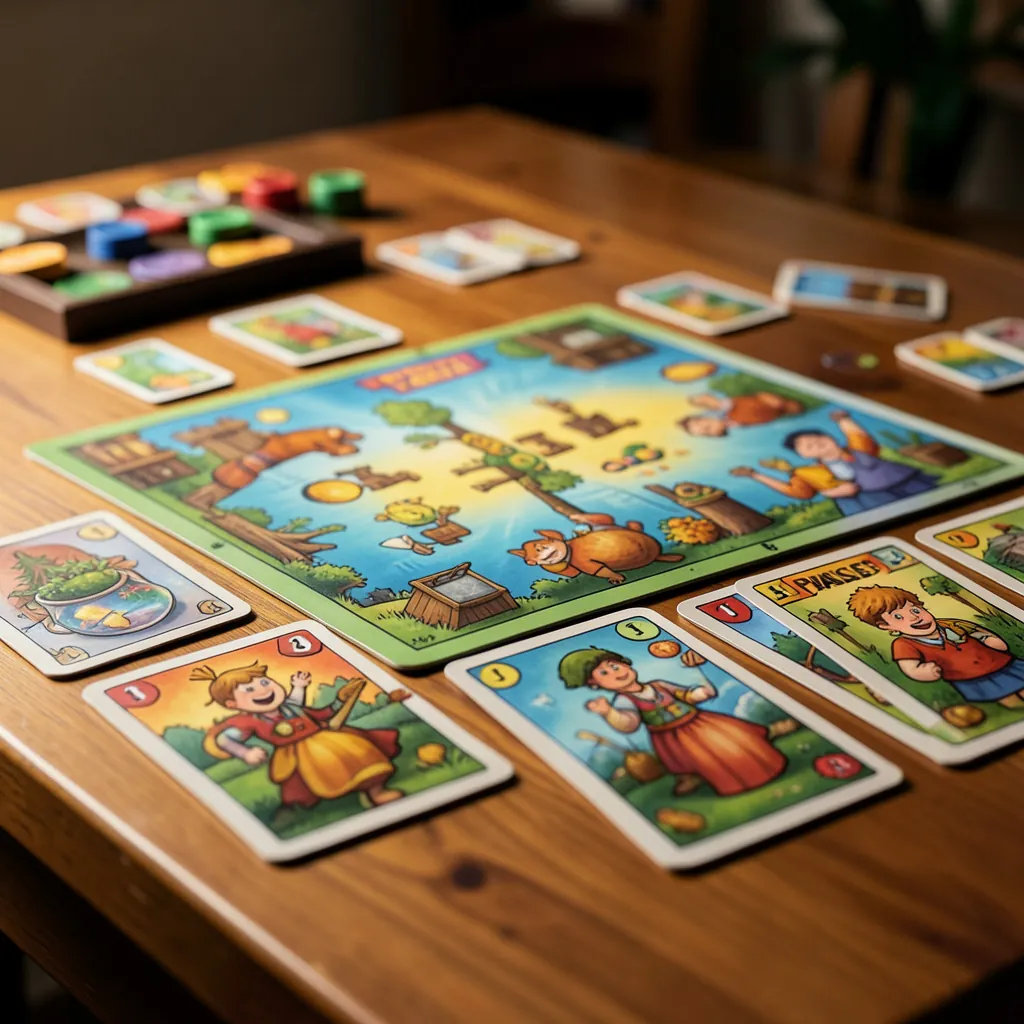
Phase 10 Rules: How to Play, Score, and Win
Contents
🃏 Phase 10 is a rummy-style card game in which each player races through 10 fixed phases by collecting sets, runs, and color groups. On your turn, draw, then discard, and try to lay down your current phase before anyone else goes out; the first player to finish all 10 phases wins.
Players: 2–6
Play Time: About 1 hour+
Age: 7+ for Phase 10 Splash; check the standard edition box
Difficulty: Easy to learn; a full game can feel long or complicated
Type: Rummy-style card game with sets, runs, and color groups
Setup
- Use a Phase 10 deck. The deck includes Wild and Skip cards; the Splash edition is listed as 108 cards plus instructions. The standard deck also includes two cards spelling out all 10 phases.
- Choose a dealer and deal 10 cards to each player.
- Place the remaining deck as the draw pile. Turn the top card face up to start the discard pile.
- Keep a phase-reference card visible. All players begin on Phase 1 and must complete the phases in order from 1 through 10.
How to Play
- Start on Phase 1 with 10 cards in hand. Everyone begins on Phase 1, and no player can move to the next phase until the current phase is complete.
- On your turn, draw a card. Draw from the draw pile. A Wild card may be picked up from the discard pile at any time, including the first face-up card turned by the dealer.
- Lay down your current phase if you can. Phase 1 requires two sets of three; other phases include runs of consecutive numbers and groups of one color. When completing Phase 1, lay down only the exact cards required—you may lay any two qualifying sets of three, but not a third set at the same time. Extra qualifying sets stay in your hand and can be played later after your phase is complete.
- Build legal runs and sets. Wild cards can stand in for a number card or as any color to complete a phase. Runs cannot extend below 1 or above 12, even when using Wild cards.
- Discard an excess card to end your turn. Place it face up on the discard pile.
- Resolve Skip cards. A Skip card is placed face up in front of the player being skipped. On that player’s turn, they do not draw or play cards; their only action is to place the Skip card into the discard pile. Play then continues with the next player.
- Go out to end the round. If you complete your phase and empty your hand, the round ends immediately. Players who have not yet taken a turn in that round do not get to draw or play.
- Advance or repeat. At the end of the round, players who completed their phase move on to the next phase; players who did not complete their phase repeat it.
Phase examples named in the sources
The sources in this set do not list every one of the 10 phase requirements, so use the deck’s phase-reference card for the full sequence. These examples are explicitly named:
| Phase | Requirement named in source | Source note |
|---|---|---|
| Phase 1 | Two sets of three | Sources 3, 4, 5 |
| Phase 6 | One run of nine | Source 4 |
| Phase 8 | Seven cards of one color | Source 4 |
| Other examples | A run of seven; seven cards of one color; two sets of three | Sources 1, 5 |
Scoring
At the end of each round, cards left in your hand count as penalty points—lower is better. Source 1 says you earn points when an opponent puts down their final card at the end of each phase.
| Card type | Penalty points | Source note |
|---|---|---|
| Number cards 1–9 | 5 each | Source 1 |
| Number cards 10–12 | 10 each | Source 1 |
| Skip | 15 each | Standard scoring per the fact-check/revision note; Source 1 says 25 — conflict flagged |
| Wild | 25 each | Source 1 |
Win condition: The first player to complete all 10 phases wins. Source 1 adds that the lowest number of penalty points is used as the tiebreaker.
💡 Strategy Tips
- Track both your phase and your opponents’ phases. Knowing who is close to going out helps you understand when the round may end abruptly.
- Shuffle thoroughly between rounds. Source 1 warns that weak shuffling can deal cards too similar to the previous round and rig the phase.
- Use Wilds flexibly. A Wild can stand in for a number or color, and it may be picked up from the discard pile at any time, including the first face-up card.
- Do not overplay Phase 1. Lay only the two required sets of three; hold any extra qualifying set for later after your phase is complete.
- Common beginner mistake: assuming every player gets a final turn. Once a player completes their phase and goes out, the round ends immediately.
🎲 Variations
- 2-player Phase 10: Yes, it is supported. Source 1 says Phase 10 can be played with as few as two players and as many as six. The sources do not list a separate 2-player rule change, so use the standard rules.
- Phase 10 Splash: A water-resistant edition listed for ages 7 and up, with 108 cards and instructions. It uses the same object: be first to complete 10 phases.
- Published variants: Source 4 names Phase 10 Masters, Phase 10 Twist, a Phase 10 dice game, and the Phase 10: World Tour mobile game as related products.
- House rules: The sources do not document official house rules. Agree on any house rules before play so scoring and phase advancement stay consistent.
❓ FAQ
How many players can play Phase 10?
Phase 10 supports 2–6 players according to Source 1.
Can you play Phase 10 with 2 players?
Yes. Source 1 says the game can be played with as few as two players; no separate two-player rules are given in the sources.
How do you win Phase 10?
Be the first player to complete all 10 phases. If needed, Source 1 says the lowest number of penalty points is the tiebreaker.
Is Phase 10 hard to learn?
The basic turn is easy to learn—draw, play your phase if possible, and discard—but a full game can feel complicated or tedious because players must track 10 phases and may repeat a phase. Source 1 calls it complicated and chess-like; Source 4 emphasizes its accessible, multigenerational appeal.
How long does a game take?
About an hour or more. Source 1 describes a full game as taking about an hour, especially while players are still learning, and elsewhere calls it an hour-plus game.
How are Skip and Wild cards scored?
Standard scoring is 15 penalty points for a Skip card and 25 for a Wild card. Source 1 lists both Skips and Wilds at 25, so that source conflicts with standard scoring; this guide flags the conflict and uses Skip 15 / Wild 25.
Related guides
- How to Play War: Rules for the 2-Player Card Game
- 5 hundred card game
- 🃏 How to Play 500: The Complete Card Game Guide